Account dashboard
Company status, buyer roles, payment terms, tax documents, open invoices, saved shipping addresses, and order limits.
Approved dealers see their catalog, account pricing, availability, payment terms, and repeat orders in one focused workspace.
| Product | Part number | Availability | Dealer price | Quantity | Total |
|---|---|---|---|---|---|
 Chrome Exhaust Tip Chrome Exhaust Tip | AC31218CS | In stock | Account price | Calculated | |
 ANSA Exhaust Clamp ANSA Exhaust Clamp | HW4251 | In stock | Account price | Calculated | |
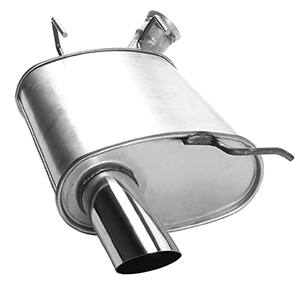 Performance Muffler Family Performance Muffler Family | Family selection | Choose variant | Account price | Calculated |
B2B reuses catalog and fitment data, then adds company-level access, catalog pricing, terms, purchase orders, minimums, and volume rules.
The B2B view needs more than a table. It should explain account status, rules, support, documents, and reorder workflows.
Company status, buyer roles, payment terms, tax documents, open invoices, saved shipping addresses, and order limits.
Account-specific product visibility, dealer pricing, bulk rules, MAP notes, availability, and fitment filtering.
Saved lists, CSV upload, paste-SKU ordering, previous order duplication, and quote-to-order conversion.
Dealer FAQs, ordering cutoffs, freight guidance, warranty process, returns, and contact routes for urgent stock questions.
These answers reduce manual back-and-forth while keeping sensitive pricing behind login.
Yes. The portal can support company accounts with approved buyers, permissions, and order history tied to the business.
Yes. Dealers can paste SKUs, upload a CSV, or duplicate a previous order when product data and catalog rules are ready.
No. Dealer pricing should stay behind authenticated company accounts with catalog-specific rules.
Yes. Fitment data should be shared across retail and dealer journeys so both paths use one product source of truth.